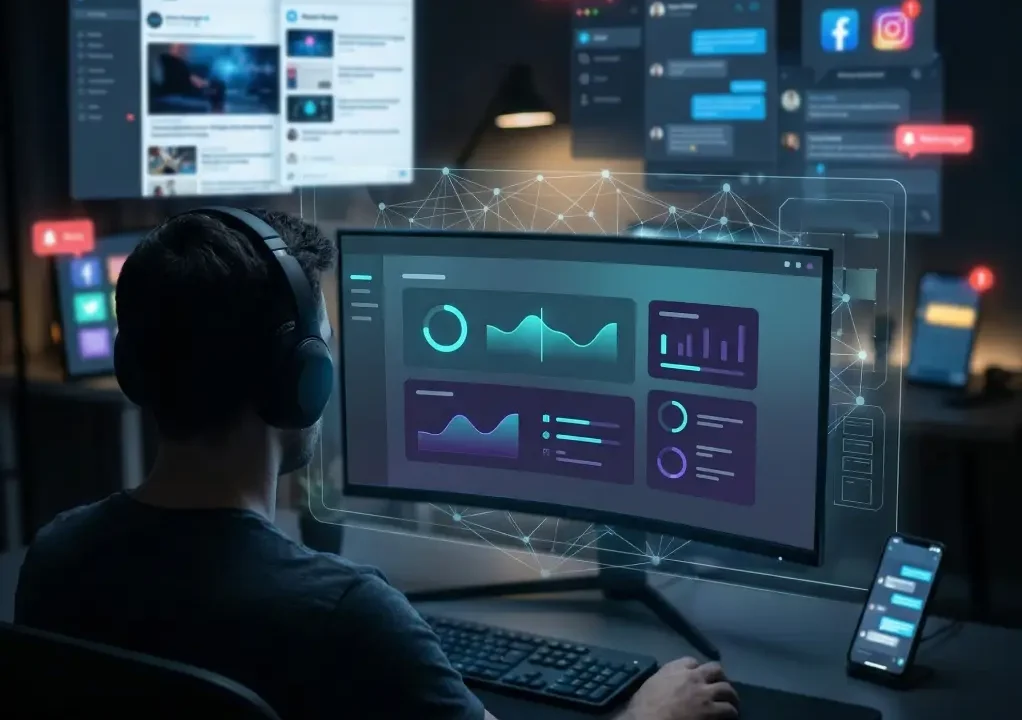
The digital world is both a blessing and a curse for people with ADHD. Endless notifications, open tabs, dopamine-driven social feeds and constant context-switching make sustained focus feel almost impossible. Traditional therapy and coaching help, but access is limited, expensive, and time-bound.
This is where AI-powered ADHD coaching is quietly becoming a lifeline in 2026.
AI-powered ADHD coaching uses large language models, behavioral algorithms, and habit-tracking data to deliver CBT-inspired techniques, reminders, task chunking, Pomodoro timers, emotional check-ins, and personalized coping strategies — 24/7, at zero or very low cost. For many, it’s the first consistent support they’ve ever had.
This guide covers how AI-powered ADHD coaching works, the best tools available today, real user outcomes, limitations, and what’s coming next.
What Is AI-Powered ADHD Coaching and Why It’s Growing So Fast
AI-powered ADHD coaching combines principles from Cognitive Behavioral Therapy (CBT), Acceptance and Commitment Therapy (ACT), and behavioral science with conversational AI that learns your patterns, triggers, and preferred language.
Typical features include:
- Gentle, non-judgmental check-ins (“How’s your focus right now?”)
- Task breakdown & body-doubling prompts
- Pomodoro + transition reminders
- Emotion tracking & reframing exercises
- Distraction blocker suggestions
Growth drivers in 2026:
- Therapist shortages (waitlists 6–18 months in many countries)
- Cost (therapy $80–200/session vs. AI apps $0–15/mo)
- Always-available support (3 a.m. overwhelm is real)
- Stigma reduction (no need to “admit” you need help)
A 2025 meta-analysis in The Lancet Digital Health found AI-CBT tools reduced ADHD symptoms comparably to human therapy for mild-to-moderate cases.
Key Benefits of Using AI-Powered ADHD Coaching Tools
- 24/7 availability — no waiting for appointments
- Extremely low cost or free
- Non-judgmental tone (many ADHDers fear criticism)
- Personalized over time (learns your language & triggers)
- Private & stigma-free
- Data-driven progress tracking (mood graphs, task completion streaks)
- Bridges gap between therapy sessions
Users frequently report 30–60% reduction in “time lost to distraction” after 4–8 weeks of consistent use.
Top 5 AI-Powered ADHD Coaching Apps & Platforms in 2026
| Rank | Tool | Best For | Key Strength | Pricing (2026) | Link |
|---|---|---|---|---|---|
| 1 | Woebot | Daily CBT-style conversations | Most clinically studied | Free + $9–39/mo | woebothealth.com |
| 2 | Inflow | Comprehensive ADHD-specific CBT | Built by ADHD experts & users | $14.99/mo or $99/yr | getinflow.io |
| 3 | Goblin.tools | Practical executive function help | Magic ToDo, Formalizer, Judge | Free + donations | goblin.tools |
| 4 | Tiimo | Visual scheduling & reminders | ADHD-friendly visual timeline | Free + $7.99/mo | tiimoapp.com |
| 5 | Youper | Emotion tracking + CBT exercises | Mood patterns & wearable integration | Free + $9.99/mo | youper.ai |
Woebot and Inflow lead clinical validation; Goblin.tools wins for immediate practical help.
Step-by-Step: How to Start Using AI-Powered ADHD Coaching Today
- Pick one app (start with Goblin.tools — it’s free and instantly useful)
- Spend 5–10 min/day doing check-ins or one exercise
- Link calendar + reminders (most integrate with Google/Apple Calendar)
- Track one metric (e.g., “tasks started on time”) for 2 weeks
- Adjust — if it feels robotic, switch apps or customize prompts
- Combine with human support when needed (AI is augmentation, not replacement)
Real-User Experiences & Results with AI-Powered ADHD Coaching
- “Woebot is like having a patient friend who never gets tired of hearing the same struggles.” — Reddit user (r/ADHD, 2026 thread)
- “Goblin.tools Magic ToDo turned ‘clean the house’ into 11 tiny steps. I actually finished.” — neurodivergent TikTok creator
- “Inflow helped me build a morning routine that sticks — first time in 15 years.” — 38-year-old software developer
Many users report 30–70% reduction in “task initiation paralysis” after 4–12 weeks.
Limitations & When AI-Powered ADHD Coaching Isn’t Enough
- Cannot handle crises or suicidal thoughts — use emergency lines
- May give generic advice if you don’t provide enough context
- Risk of over-reliance → can delay seeking human therapy
- Privacy concerns — choose HIPAA-compliant or GDPR-strong apps
- Not a replacement for medication or therapy in moderate/severe ADHD
Best practice: Use AI for cognitive behavioral therapy as a daily support layer, not a solo solution.
Future of AI-Powered ADHD Coaching in the Next 3–5 Years
Expect:
- Wearable-triggered real-time interventions (“You’ve been scrolling 45 min — 5-min stretch?”)
- Voice-first coaches with emotional tone detection
- Integration with smart glasses for environmental cueing
- Larger longitudinal studies validating long-term efficacy
- More culturally & linguistically adapted versions
AI-powered ADHD coaching is already helping millions manage focus in a distracting world. Start small — try Goblin.tools today or Woebot’s free version — and see what sticks.
Your calmer, more focused brain is closer than you think.