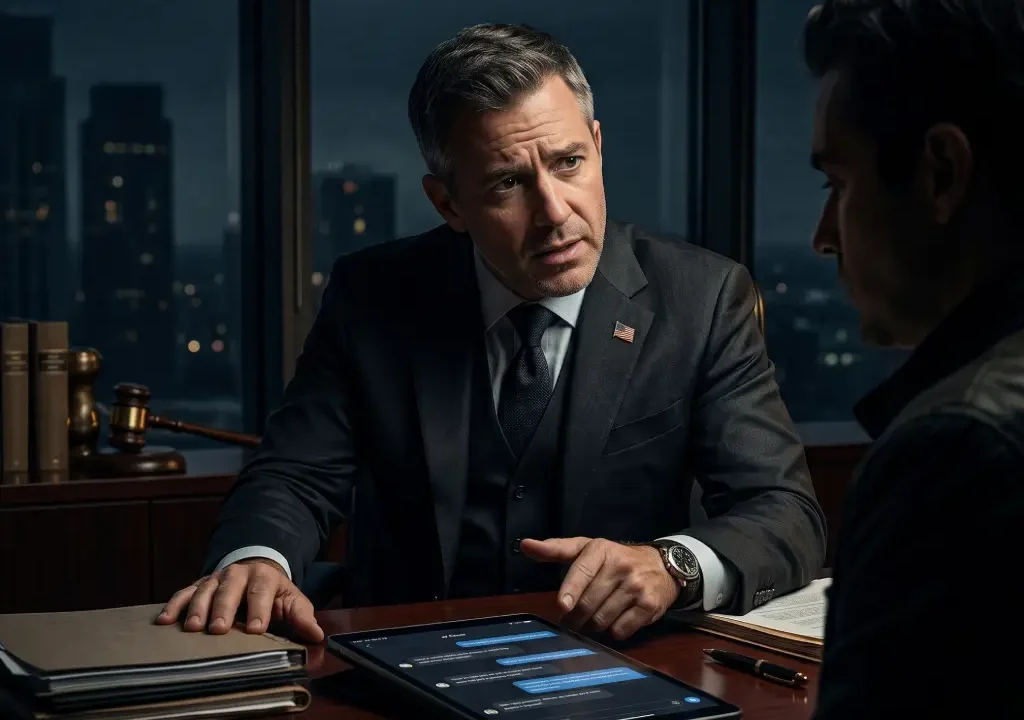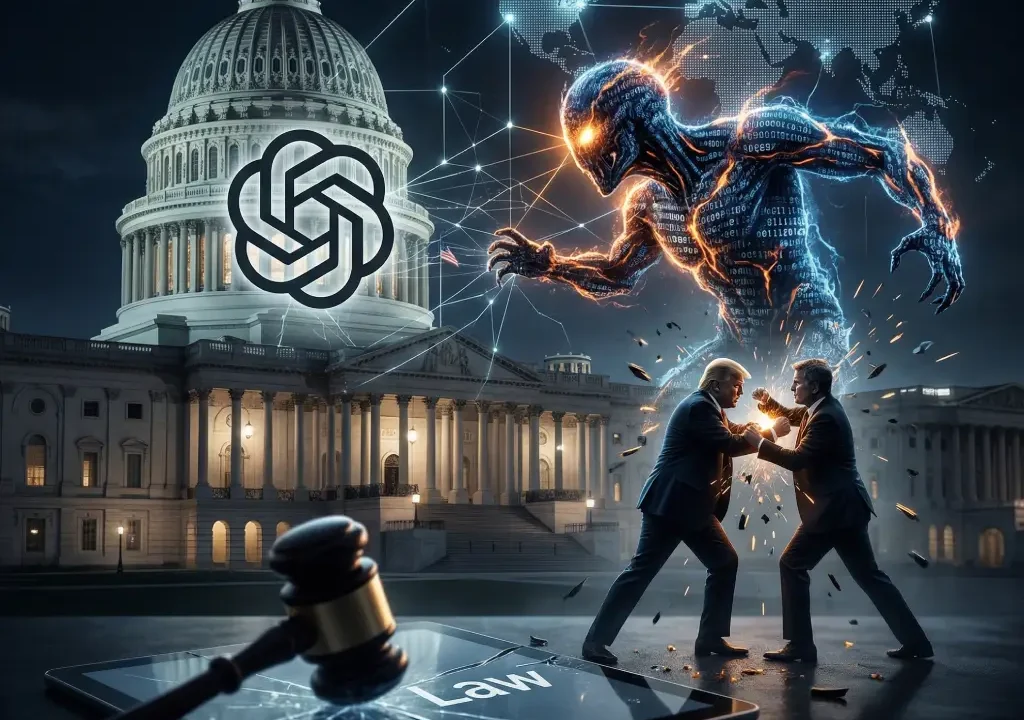
Anthropic, the company behind the Claude AI family, has initiated direct engagement with the Trump administration regarding its next AI model. This move comes amid heightened tensions over AI safety, military applications, and national security concerns. The discussions focus on balancing rapid innovation with responsible deployment of frontier AI systems.
As one of the leading AI labs, Anthropic seeks to align its upcoming model development with US government priorities while maintaining core safety principles. This Anthropic Trump administration AI model engagement highlights the complex relationship between private AI developers and policymakers in 2026.
Anthropic Trump Administration AI Model Discussions 2026: Background and Context
The engagement follows a period of significant friction between Anthropic and the Trump administration. Earlier disputes centered on contract terms with the Pentagon, particularly restrictions on using AI for fully autonomous weapons and mass domestic surveillance. Anthropic has consistently advocated for guardrails to ensure safe and reliable deployment.
Despite these challenges, both sides recognise the strategic importance of American leadership in AI. Direct talks allow Anthropic to present its vision for the next model while addressing administration concerns about national security and technological competitiveness.
Dario Amodei, Anthropic’s CEO, has publicly emphasised the company’s commitment to using AI to strengthen US defense and democratic values. The current discussions aim to find common ground on how the next model can support government needs without compromising safety standards.
Key Topics in Anthropic Direct Engagement with Trump White House AI
The conversations reportedly cover several critical areas:
- Safety Guardrails for Next Model — Anthropic seeks to incorporate robust safeguards while allowing flexibility for lawful government uses.
- Military and Intelligence Applications — Discussions explore responsible integration of the model into classified environments.
- National Security Implications — Ensuring the model advances US technological edge against global competitors.
- Regulatory Alignment — Coordinating on broader AI policy frameworks that promote innovation and risk management.
These talks represent a pragmatic step toward collaboration. However, underlying disagreements over the extent of restrictions remain a point of negotiation.
Impact of Anthropic Trump Administration Talks on Claude Development
The engagement could significantly influence the design and capabilities of Anthropic’s next AI model. By incorporating feedback from administration officials, Anthropic may refine features related to reliability, oversight mechanisms, and dual-use scenarios.
Positive outcomes from the discussions might ease previous restrictions on government adoption of Claude models. Conversely, unresolved issues could prompt Anthropic to accelerate private-sector innovations or strengthen partnerships outside direct federal contracts.
This Anthropic Trump administration AI model dialogue also signals to the broader industry that proactive engagement with policymakers is essential in the current regulatory environment.
Timeline of Anthropic and Trump Administration Interactions
| Period | Key Event | Outcome/Status |
|---|---|---|
| Early 2026 | Pentagon contract dispute over guardrails | Escalated tensions |
| February 2026 | Federal agencies directed to phase out Claude | Legal challenges filed by Anthropic |
| March 2026 | Court rulings partially favor Anthropic | Some restrictions lifted |
| April 2026 | Direct engagement on next AI model | Ongoing negotiations |
This timeline illustrates the evolving dynamics between the company and the administration.
Broader Implications for US AI Policy and Industry
The direct engagement underscores a shifting landscape in US AI governance. The Trump administration prioritises American AI dominance and national security, while companies like Anthropic emphasise responsible development to mitigate existential risks.
Successful collaboration could set a precedent for how frontier labs interact with government on model releases. It may also influence funding, procurement policies, and international AI standards.
For the AI sector, these talks highlight the need for balanced approaches that foster innovation without compromising safety or ethical considerations. Other labs are likely monitoring the outcomes closely as they plan their own government engagements.
Moreover, the discussions come at a time of rapid AI advancement, where new models promise transformative capabilities across defense, healthcare, and economic applications. Finding alignment on the next Anthropic model could accelerate beneficial uses while addressing legitimate security concerns.
Challenges and Future Outlook for Anthropic Trump Administration AI Model Engagement
Challenges persist, including differing views on acceptable risk levels and the appropriate scope of AI restrictions. Legal battles from earlier disputes may also influence the tone of current negotiations.
Nevertheless, both parties share an interest in maintaining US leadership in AI. Anthropic’s willingness to engage directly demonstrates a constructive approach that could lead to mutually beneficial agreements.
Looking ahead, the results of these talks may shape not only Anthropic’s next model but also the broader framework for public-private partnerships in AI development. As frontier models grow more powerful, such engagements will become increasingly vital for responsible innovation.
In summary, Anthropic’s direct engagement with the Trump administration on its next AI model represents a pivotal moment in the evolving relationship between AI companies and government. By addressing safety, security, and strategic priorities head-on, the discussions aim to unlock the potential of advanced AI while safeguarding national interests.
Industry observers and policymakers will watch closely as these talks progress, as the outcomes could influence AI development trajectories for years to come.