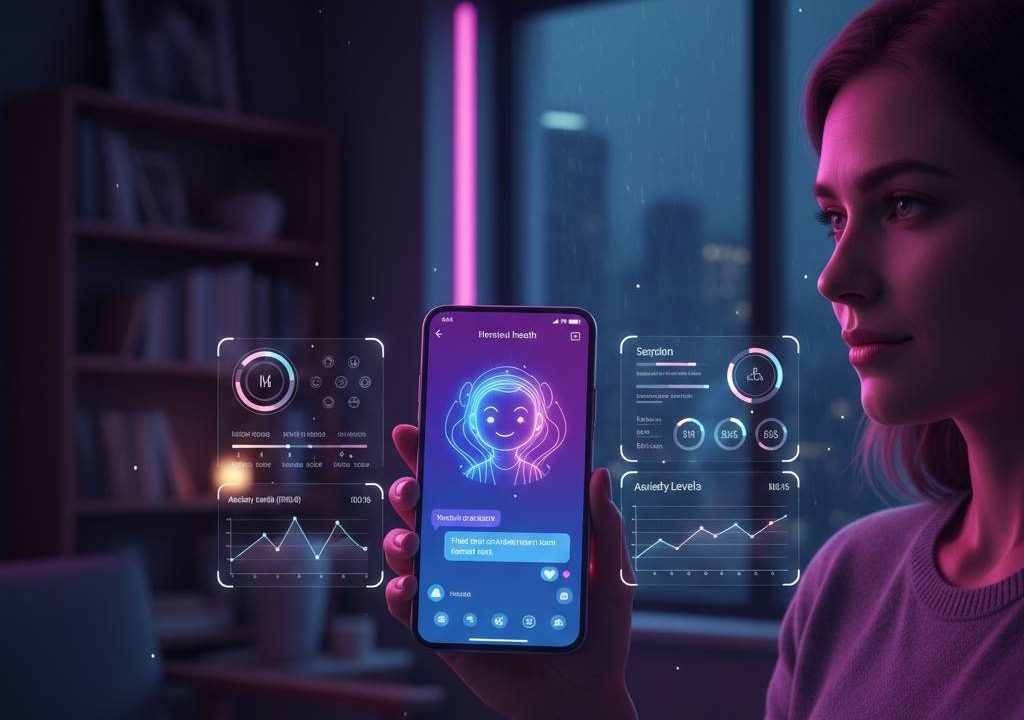
As mental health challenges persist globally, AI for mental health tools—particularly therapy chatbots—have surged in popularity in 2026. These apps promise 24/7 support, stigma-free conversations, and evidence-based techniques like cognitive behavioral therapy (CBT) at low or no cost. But are they truly effective? Emerging research shows promise for mild symptoms and well-being, yet significant limitations and risks remain. This post examines the evidence, top tools, benefits, drawbacks, and when chatbots complement—not replace—professional care.
Understanding AI for Mental Health in 2026
AI for mental health includes chatbots using natural language processing and generative models to simulate therapeutic dialogue. They track moods, offer coping strategies, challenge negative thoughts, and encourage behaviors like mindfulness or journaling. Unlike traditional therapy, they’re accessible anytime, often free, and reduce barriers like cost or stigma.
How Do Therapy Chatbots Work?
Most draw from CBT, dialectical behavior therapy (DBT), or mindfulness. Users chat via text/voice; AI responds empathetically, asks reflective questions, and suggests exercises. Advanced ones (generative AI) personalize based on conversation history, while rule-based limit responses for safety.
Evidence of Effectiveness: What Studies Show
Research in 2025-2026 provides mixed but encouraging data.
Positive Outcomes from Recent Trials and Reviews
A 2025 meta-analysis of 31 RCTs (29,637 participants) found small-to-moderate effects reducing mental distress (SMD -0.35) and boosting health behaviors, with strong impacts on depression, anxiety, and stress. Another review of generative AI chatbots showed ES=0.30 in reducing symptoms. Dartmouth’s first RCT of Therabot (generative AI) reported significant reductions in depression (51%), anxiety (31%), and eating disorder risks over 8 weeks, with users rating alliance comparable to human therapists. College student reviews noted improvements in anxiety/depression via CBT chatbots.
Real-World Examples: Woebot, Wysa, and Others
Woebot (CBT-focused) shows reductions in depression/anxiety in studies. Wysa (hybrid AI + human option) aids anxiety relief and has FDA Breakthrough status for some uses. Youper excels in mood tracking and reframing. These tools engage users effectively, especially short-term.
Limitations and Risks of AI Therapy Chatbots
Despite benefits, concerns abound. Stanford research (2025) highlights risks like stigma, inappropriate responses, and harm in crises—chatbots may over-validate or encourage extremes. APA warns of false alliance, misinformation, and dangers for vulnerable users (e.g., suicide encouragement in rare cases). Many lack crisis protocols, privacy issues exist, and long-term effects fade. They can’t read non-verbal cues or handle complexity like human therapists.
See APA advisory on risks.
Top AI Mental Health Apps in 2026
- Wysa – CBT/mindfulness, hybrid support. Great for anxiety.
- Youper – Mood tracking, DBT/CBT. High engagement.
- Woebot – Structured CBT. Research-backed.
- Replika – Companionship focus (less clinical).
- Therabot/others – Emerging generative options.
| App | Key Strength | Evidence Level | Best For |
|---|---|---|---|
| Wysa | Hybrid AI + human, CBT | High (FDA nods) | Anxiety, daily support |
| Youper | Mood patterns, reframing | Strong | Self-awareness |
| Woebot | Structured CBT sessions | RCTs | Depression basics |
| Replika | Emotional companionship | Mixed | Loneliness |
When to Use AI for Mental Health vs. Professional Help
Chatbots suit mild stress, coping skills, or bridging access gaps. For severe depression, suicidal thoughts, trauma, or diagnosis, seek licensed therapists. Use AI as supplement—many apps redirect crises to hotlines.
The Role of AI for Mental Health Today
AI for mental health offers accessible, promising support—reducing symptoms in many via chatbots—but isn’t a full therapy replacement. Evidence shows short-term benefits for anxiety/depression, yet risks like inadequate crisis handling persist. Approach cautiously, combine with professional care when needed, and stay informed. For immediate help, contact 988 Suicide & Crisis Lifeline or local services.