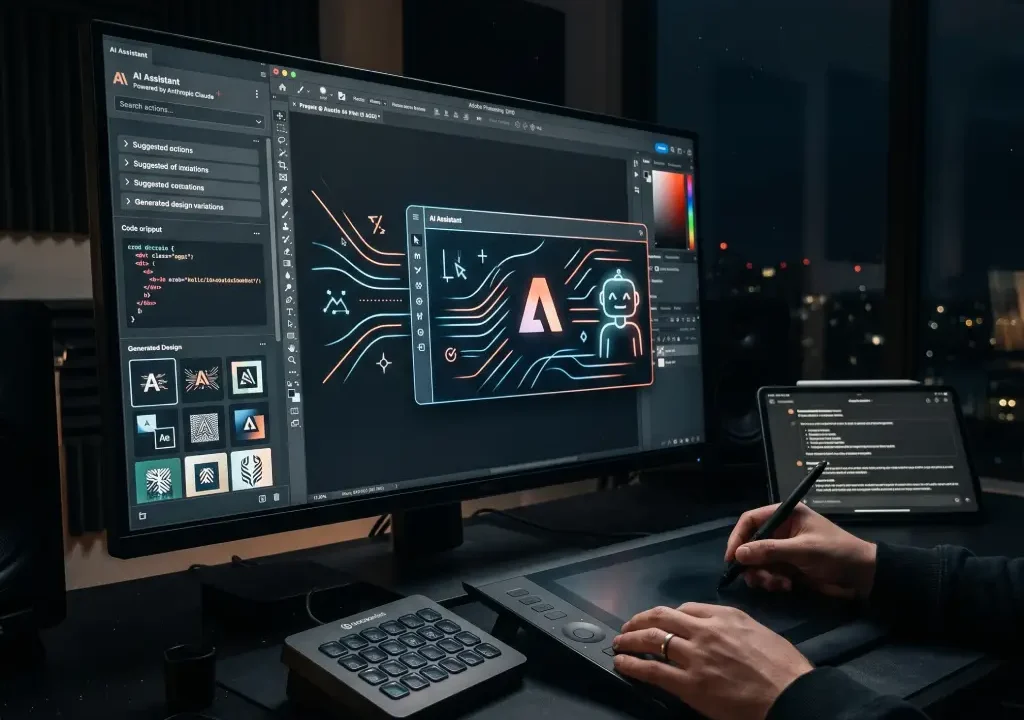
In 2026, the app development landscape has shifted dramatically, thanks to vibe-coding tools—intuitive platforms that let anyone build functional apps based on their “vibe” or creative vision, without needing coding skills or a developer. These tools combine drag-and-drop interfaces, AI-assisted design, and no-code/low-code elements to turn ideas into reality fast. Whether you’re a solopreneur launching an MVP, a marketer creating internal tools, or a hobbyist experimenting, vibe-coding tools democratize app building.
Traditional development demands time, money, and expertise—often $50K+ for a basic app. Vibe-coding tools slash that to hours and minimal costs, empowering non-technical users. This guide explores top vibe-coding tools, benefits, and a step-by-step process to get started, helping you harness this trend for innovation without barriers.
What Are Vibe-Coding Tools and Why They’re Revolutionizing App Development in 2026
Vibe-coding tools are user-friendly platforms that prioritize intuition over syntax. They use visual builders, pre-built templates, and AI to interpret your “vibe”—like “a minimalist fitness tracker app with gamified challenges”—and generate code behind the scenes. Unlike rigid no-code tools, vibe-coding emphasizes creativity, adapting to your style through prompts or drags.
In 2026, with AI integration booming, vibe-coding tools are exploding. According to Gartner, 80% of apps will be built via low/no-code by 2027. They revolutionize development by reducing barriers, speeding iterations, and enabling rapid prototyping—perfect for startups testing ideas without dev teams.
The Rise of Intuitive, No-Code App Building Platforms
The vibe-coding movement stems from tools evolving beyond basic builders. Platforms now incorporate AI for smarter suggestions, like auto-generating UI based on mood boards. This shift makes app creation accessible, fostering innovation in niches like edtech or e-commerce.
Key Benefits of Using Vibe-Coding Tools for Non-Developers
- Speed to Launch: Build and deploy in days, not months—ideal for MVPs.
- Cost Efficiency: Free tiers or low subscriptions ($10–50/mo) vs. developer salaries.
- Customization Without Code: Drag, drop, and prompt for unique “vibes” like retro or futuristic designs.
- Scalability: Start simple, add complexity as needed—many integrate databases and APIs seamlessly.
- Collaboration: Non-tech teams contribute directly, reducing miscommunication.
A Forbes article notes vibe-coding-like tools boost productivity by 10x for businesses.
Top Vibe-Coding Tools for Building Apps Effortlessly
Bubble: Drag-and-Drop Powerhouse for Complex Apps
Bubble excels as a vibe-coding tool for data-heavy apps. Its visual editor lets you “vibe” out workflows—e.g., user auth, payments—without code. AI plugins suggest elements based on prompts. Pricing: Free tier, $25+/mo for production.
Adalo: Mobile-First Vibe-Coding for Intuitive Interfaces
Adalo focuses on native mobile apps, with vibe-coding via templates and AI layout suggestions. Build “vibe”-driven UIs for iOS/Android in hours. Ideal for e-commerce or social apps. Starts at $0, pro at $50/mo.
Glide: Data-Driven Apps from Spreadsheets
Glide turns Google Sheets into apps with vibe-coding ease—prompt “fitness tracker vibe” for custom screens. AI handles data syncing. Free for basics, $25+/mo for advanced.
Webflow: Visual Web Apps with Vibe-Coding Elements
Webflow’s CMS and AI designer enable vibe-coding for responsive web apps. Prompt styles like “clean minimalist vibe” for auto-generated CSS. From $14/mo.
These vibe-coding tools cover web/mobile needs—explore Bubble’s gallery for inspiration.
Step-by-Step Guide to Creating Your First App with Vibe-Coding Tools
- Define Your Vibe & Idea (10 min): Sketch app purpose, e.g., “eco-friendly shopping app with earthy vibe.”
- Choose Tool (5 min): Pick Bubble for web, Adalo for mobile.
- Set Up Data (15 min): Import spreadsheets or use built-in databases.
- Design UI (30 min): Drag elements, prompt AI for “vibe” matches like colors/fonts.
- Add Logic (20 min): Visual workflows for actions (e.g., “on click, add to cart”).
- Test & Deploy (10 min): Preview on devices, publish to app stores/web.
- Iterate (Ongoing): Use analytics to refine based on user feedback.
Total: Under 2 hours for a basic app. A NoCodeDevs tutorial shows Bubble in action.
Advanced Tips for Optimizing Apps Built with Vibe-Coding Tools
- Integrate AI: Add ChatGPT for dynamic features like personalized recommendations.
- SEO/Performance: Use Webflow’s tools for fast-loading “vibe”-optimized sites.
- Security: Enable auth in Bubble/Adalo for data protection.
- Scaling: Upgrade plans for custom domains/APIs.
These elevate vibe-coding tools from prototypes to production.
Real-World Examples of Success with Vibe-Coding Tools
A fitness coach built a gamified app on Glide, gaining 10K users without devs. An e-shop owner used Adalo for a mobile store, boosting sales 40%. These show vibe-coding tools‘ real impact.
Common Challenges and How Vibe-Coding Tools Overcome Them
Scalability limits? Upgrade tiers. Learning curve? AI tutorials in tools like Bubble help. Customization gaps? Plugins extend “vibe” options.
In 2026, vibe-coding tools empower anyone to innovate. Pick one, define your vibe, and build—your app idea is closer than you think.