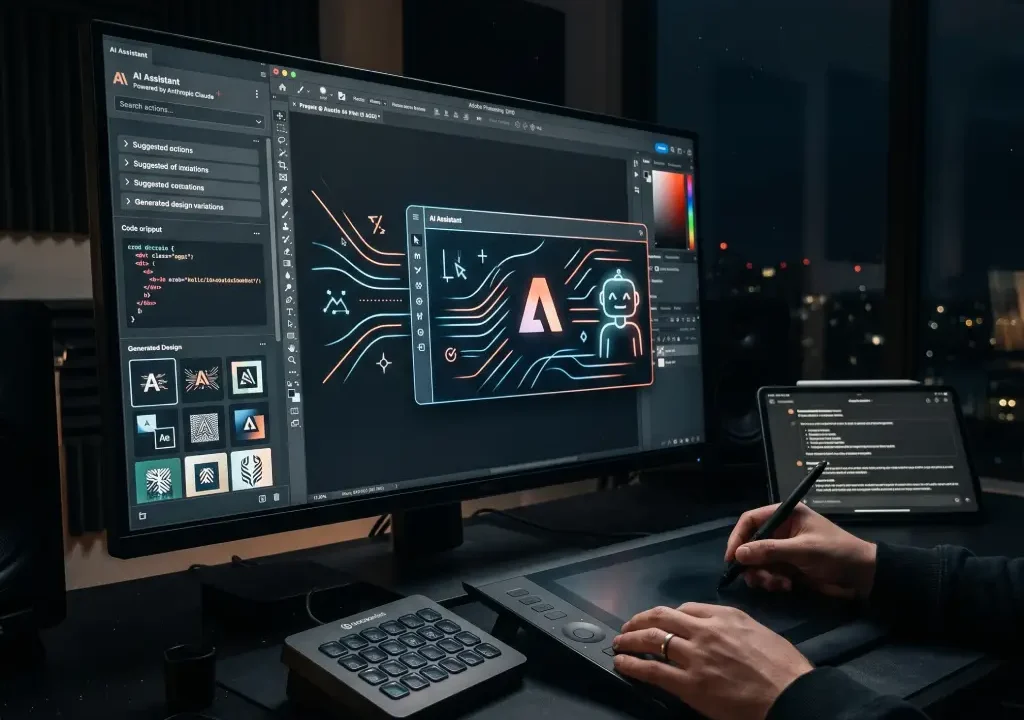
AI for architectural visualization has become an indispensable part of the design process. What used to take days or weeks of manual modeling, rendering, and revisions can now be achieved in minutes or hours using AI-powered tools. These platforms generate photorealistic renders, convert 2D sketches into 3D models, create interior concepts from text prompts, and even produce cinematic walkthroughs—all while allowing designers to maintain creative control.
AI for architectural visualization is no longer experimental; it’s a mainstream workflow accelerator. Leading firms and independent architects use these tools to present ideas faster, iterate more freely, and impress clients with hyper-realistic visuals. This guide covers the best AI for architectural visualization tools in 2026, how they work, key benefits, implementation steps, real examples, challenges, and emerging trends to help designers integrate AI effectively.
What Is AI for Architectural Visualization and Why Designers Need It Now
AI for architectural visualization refers to artificial intelligence systems that generate, enhance, or transform architectural imagery and 3D models. These tools use generative models (diffusion, GANs, NeRFs, Gaussian Splats, etc.) trained on vast architectural datasets to create visuals from text, sketches, photos, or CAD files.
The urgency in 2026 stems from three converging forces:
- Client expectations for instant, photorealistic previews
- Tight project timelines and rising labor costs
- Competitive pressure to deliver immersive experiences (VR/AR walkthroughs)
As ArchDaily reported in 2025, firms using AI for architectural visualization report 40-70% faster visualization phases and higher client approval rates.
Key Benefits of Using AI for Architectural Visualization
- Speed: Concept-to-render in minutes instead of days
- Cost Reduction: Significantly lower reliance on external render farms or 3D artists
- Iteration Freedom: Generate dozens of variations quickly
- Accessibility: Non-rendering specialists can produce professional visuals
- New Creative Possibilities: Explore styles and materials previously too time-consuming
- Client Communication: Immersive, high-fidelity presentations increase buy-in
According to a McKinsey study on AI in AEC, AI for architectural visualization contributes to 20–30% productivity gains in early design phases.
Top 5 Best AI Tools for Architectural Visualization in 2026
| Rank | Tool | Best For | Key Strength | Pricing (2026) | Best Link |
|---|---|---|---|---|---|
| 1 | Midjourney + ControlNet | Conceptual design & mood boards | Unmatched artistic quality & style control | $10–60/mo | midjourney.com |
| 2 | Kaedim | 2D sketch/image → clean 3D model | Fast, accurate 3D conversion | $150–600/mo | kaedim3d.com |
| 3 | Luma AI / Meshy | Text-to-3D & image-to-3D assets | High-quality 3D generation from text | Free–$99/mo | lumalabs.ai |
| 4 | Lumion AI & Chaos Vantage | Real-time rendering enhancement | Photoreal lighting & atmosphere | Lumion $1,495 (one-time) | lumion.com |
| 5 | Stable Diffusion + ComfyUI | Custom architectural styles & editing | Maximum control & open-source flexibility | Free (local) / $10–50/mo cloud | stability.ai |
Midjourney remains the most popular entry point for AI for architectural visualization concepts, while Kaedim and Luma lead in 3D asset creation.
Step-by-Step Guide to Creating Stunning Renders with AI for Architectural Visualization
- Conceptual Phase (Midjourney) Prompt example: “modern minimalist villa, concrete and glass, tropical landscape, golden hour, architectural photography –ar 16:9 –stylize 250 –v 6”
- 2D to 3D Conversion (Kaedim / Luma) Upload concept image → generate clean 3D mesh (5–15 min)
- Scene Assembly & Material Assignment Import model into Blender or Unreal Engine; apply PBR materials
- Real-time Visualization (Lumion / Vantage) Add AI-enhanced lighting, vegetation, atmosphere
- Post-Production & Variations Use Stable Diffusion inpainting for fine edits
- Export Deliverables 4K renders, 360° panoramas, short fly-through videos
This workflow with AI for architectural visualization tools can reduce concept-to-final-render time from weeks to days.
Real-World Examples and Case Studies
- Zaha Hadid Architects used AI for architectural visualization (Midjourney + custom diffusion models) to explore parametric façade options in early design phases.
- A Sydney-based residential studio generated 50+ material and lighting variations for a client presentation in under 48 hours using Kaedim + Lumion AI.
- A Scandinavian firm employed Luma AI to quickly visualize adaptive reuse projects from hand sketches, shortening the feasibility study phase by 60%.
These examples demonstrate how AI for architectural visualization accelerates decision-making and client approvals.
Challenges and Limitations of AI for Architectural Visualization in 2026
- Inconsistent scale & proportions in 3D generation
- Limited control over structural logic
- Style drift in iterative generations
- High compute requirements for local rendering
- Ethical concerns around training data (architectural copyright)
Mitigation strategies: Use control nets, depth maps, and post-processing in Blender.
Future Trends in AI for Architectural Visualization for the Next 5 Years
By 2030 expect:
- Real-time collaborative AI co-design
- Generative BIM integration (text → full parametric model)
- Emotion & ambiance prediction from client mood boards
- AR/VR-native generation pipelines
- Ethical sourcing & artist-compensation models for training data
The AI for architectural visualization revolution is only beginning. Start experimenting with Midjourney or Kaedim today—your next project render could be just a prompt away.