In 2026, the explosion of generative AI tools like Midjourney, DALL-E, and Stable Diffusion has creators asking: Who owns AI-generated art? AI copyright laws 2026 remain anchored in the principle of human authorship, with major jurisdictions like the US and EU providing clarity through reports, guidance, and ongoing litigation. Purely autonomous AI outputs generally lack copyright protection, but works with substantial human creative control often qualify. This post explains current rules, key cases, ownership nuances, and practical tips for artists navigating this evolving landscape.
Current Status of AI Copyright Laws in 2026
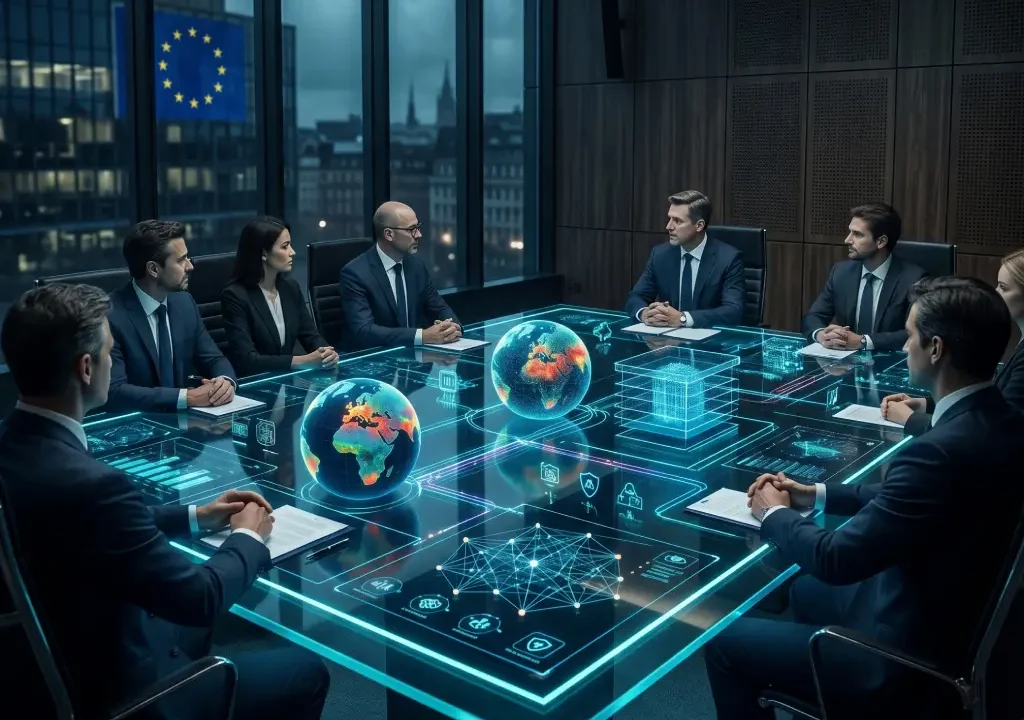
AI copyright laws 2026 center on human authorship requirements. The US Copyright Office’s multi-part Copyright and Artificial Intelligence report (Part 2 released January 2025) reaffirms that copyright protects original human expression. Pure AI-generated material isn’t copyrightable without meaningful human input. The EU AI Act (phased implementation through 2026) adds transparency obligations for generative AI, including summaries of training data and opt-out mechanisms for rights holders, but doesn’t directly resolve ownership—deferring to national copyright laws requiring human creativity.
Does Purely AI-Generated Art Qualify for Copyright?
No—in the US, fully autonomous AI outputs are ineligible. The Copyright Office and courts (e.g., Thaler v. Perlmutter, affirmed by D.C. Circuit in 2025) insist on human authorship. The DOJ urged the Supreme Court (2026) to deny review in Thaler’s case involving an AI-created image, arguing machines can’t be authors. Pure AI art enters the public domain. Similar stances hold in many jurisdictions; no major country grants copyright to non-human creators.
Human Input and Copyright Protection for AI Art
What Level of Human Contribution Is Required?
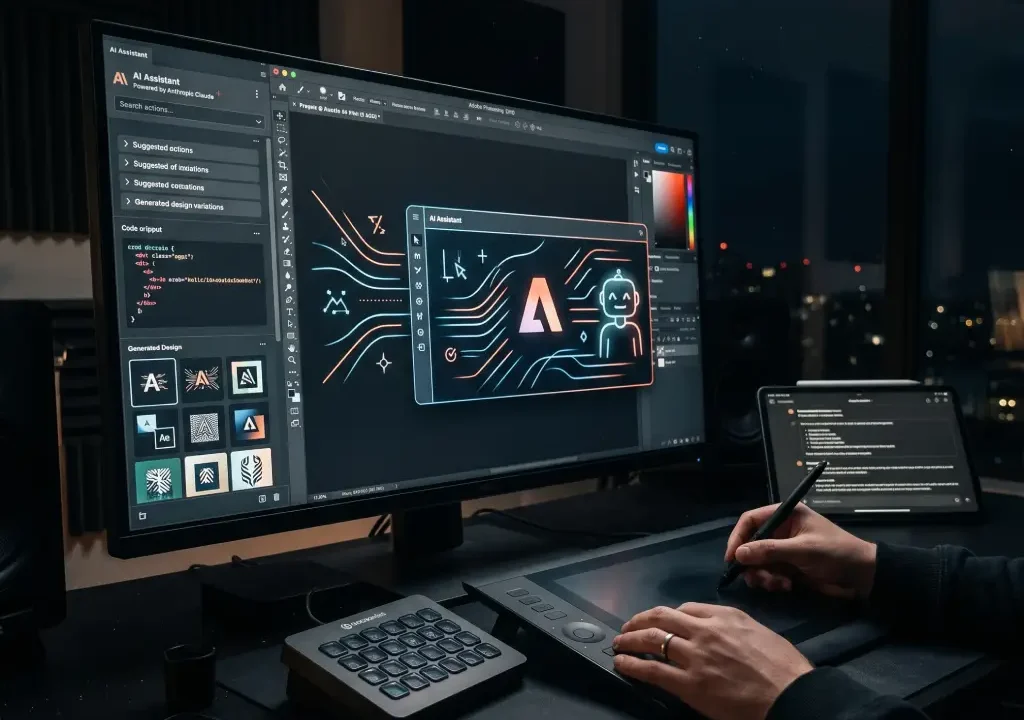
Protection applies to the human elements. The Copyright Office evaluates “creative control” over expressive aspects. Detailed prompts alone rarely suffice—AI’s “black box” limits user control. Sufficient input includes iterative editing, selection/arrangement of outputs, modifications, or combining with original human work. The Office has registered hundreds of hybrid works, covering only human contributions (AI parts disclaimed).
Key US Copyright Office Guidance and Cases
The 2025 report clarifies: Prompts convey ideas (uncopyrightable); outputs need human shaping. Cases like Invoke’s “A Single Piece of American Cheese” (2025) granted protection for significant human shaping. Ongoing suits (e.g., Andersen v. Stability AI) challenge training but not output ownership directly.
Ownership When Using AI Tools
Ownership defaults to the human creator for qualifying works. Platform terms (e.g., Midjourney grants users rights to outputs) influence commercial use. For employer tools, work-for-hire rules apply. Pure AI defaults to no one—public domain.
International Perspectives: EU AI Act and Beyond
The EU AI Act (2024) requires GPAI providers to summarize training data and honor opt-outs (Article 53), protecting rights holders from unlicensed use. Copyright remains national—most require human originality. Some countries explore broader protections, but no consensus on AI authorship.
Ongoing Lawsuits and Future Trends in 2026
Litigation focuses on training (e.g., NYT v. OpenAI, Getty v. Stability AI). Settlements (Anthropic $1.5B in 2025) signal licensing shifts. Courts may clarify fair use for training; output copyright hinges on human control. Expect more guidance as tech evolves.
Practical Advice for Creators Using AI
- Document human contributions (prompts, edits, iterations).
- Disclose AI use in registrations.
- Use tools with favorable terms.
- Check platform licenses for commercial rights.
- Stay updated via US Copyright Office AI page.
| Aspect | US (2026) | EU (AI Act Influence) |
|---|---|---|
| Pure AI Output | Not copyrightable (no human author) | National laws; often no protection |
| Hybrid Human-AI | Copyright for human parts | Human creativity required |
| Training Data | Fair use debated in cases | Opt-out/reservations mandatory |
| Disclosure | Required in registrations | Transparency for generative AI |
Navigating AI Copyright Laws in 2026
AI copyright laws 2026 prioritize human creativity—pure AI art lacks protection, but meaningful human input enables ownership. Creators must document contributions, disclose AI use, and monitor cases. As tech advances, laws may evolve, but human authorship remains core. For official guidance, visit the US Copyright Office AI report or EU AI Act overview. Protect your work responsibly in this transformative era.