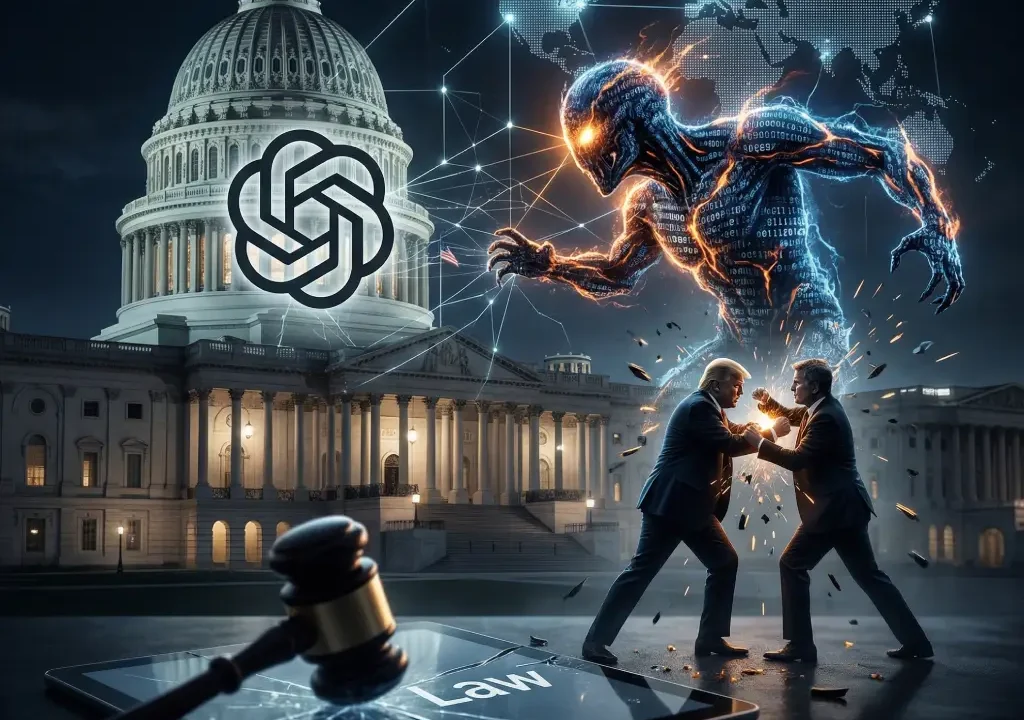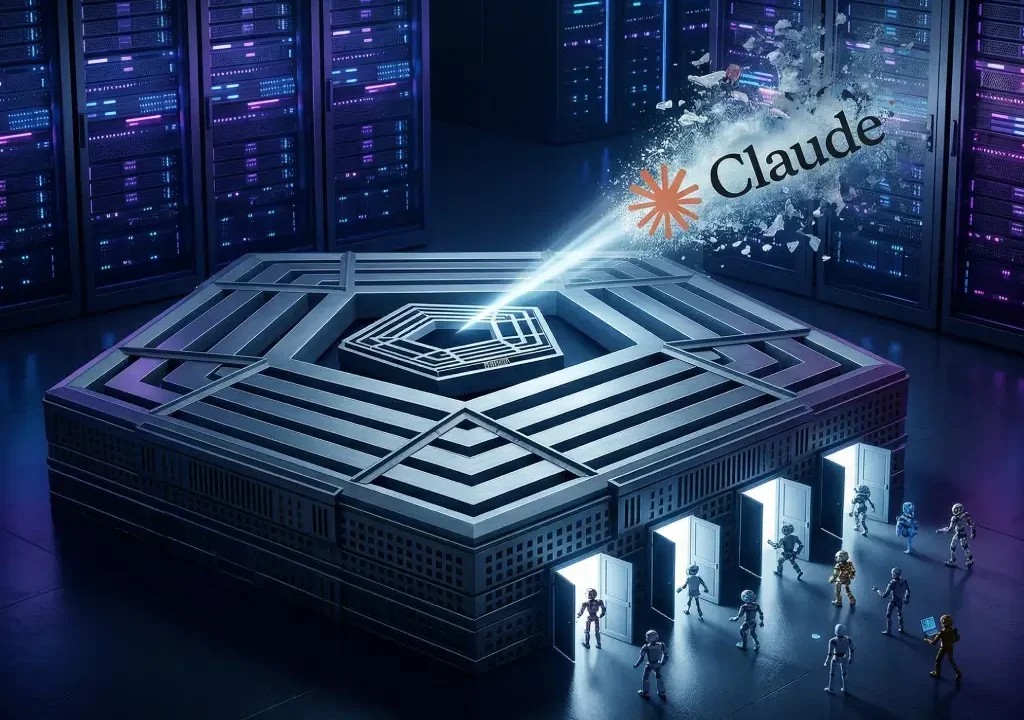
The Pentagon has taken a dramatic step. It has removed Anthropic from key contracts and designated the company as a supply-chain risk. This Pentagon Anthropic ouster creates new opportunities for smaller AI startups that have long struggled to win defense business.
The decision stems from a dispute over how Anthropic’s AI models can be used. The company refused to remove safeguards against autonomous weapons and mass surveillance of U.S. citizens. In response, the Pentagon canceled contracts and restricted Anthropic’s technology across federal agencies.
This move is already generating strong interest in alternative AI providers.
What Led to the Pentagon Anthropic Ouster
Anthropic had signed a $200 million contract with the Pentagon in 2025. The agreement included strict restrictions: Claude could not be used for fully autonomous weapons or domestic mass surveillance.
When negotiations broke down, Anthropic refused to drop these safeguards. Defense Secretary Pete Hegseth then labeled the company a supply-chain risk and ordered agencies to stop using its technology.
A federal judge temporarily blocked the designation, but the Pentagon is appealing. The dispute has now created a vacuum that smaller AI firms are eager to fill.
Why Smaller AI Rivals See Opportunity
Many small and mid-sized AI companies have spent years trying to break into the defense market. The Pentagon Anthropic ouster suddenly gives them a real chance.
Defense contractors and military commanders are now actively reaching out to these startups. They want AI tools that are reliable, secure, and aligned with U.S. national security needs.
Smaller firms often offer more flexibility than large labs. They can customize models faster and are sometimes more willing to meet military requirements without heavy ethical restrictions.
This shift could help diversify the Pentagon’s AI suppliers and reduce dependence on just a few big players.
How the Ouster Affects Anthropic
Anthropic has faced short-term pain. Losing Pentagon contracts hurts revenue and reputation in government circles. The company has also seen its stock and public perception impacted by the dispute.
However, the controversy has boosted Claude’s popularity in the consumer market. Many users see Anthropic’s stand on ethics as a strength. The company continues to grow rapidly in commercial and enterprise segments.
Anthropic maintains it made the right decision by protecting its principles.
Opportunities for Smaller AI Startups
Several smaller AI companies are already benefiting. Startups focused on defense-specific applications report increased calls from generals and investors.
These firms often specialize in areas like:
- Secure AI for classified environments
- Edge computing for battlefield use
- AI tools with strong safety and explainability features
- Models designed specifically for military logistics and intelligence
The Pentagon Anthropic ouster has opened doors that were previously closed. A single defense contract can lead to more government work and also serve as a strong signal to commercial clients.
Broader Impact on AI and National Security
The dispute highlights growing tensions between AI ethics and military needs. The Pentagon wants maximum flexibility for lawful use of AI. Some companies insist on hard limits to prevent misuse.
This conflict could shape future AI policy. It may encourage more startups to develop models tailored for defense while still maintaining safety standards.
The ouster also pushes the military to diversify its AI suppliers. Relying too heavily on one or two companies creates risk. A broader supplier base improves resilience and innovation.
What Happens Next
The Pentagon is expected to accelerate reviews of alternative AI providers. Smaller companies that can demonstrate security, reliability, and alignment with U.S. values will have the best chance.
Anthropic’s legal battle continues. The outcome could set important precedents for how the government works with AI firms.
For the industry overall, this situation underscores a key reality: national security needs often clash with commercial ethics. Companies must decide where they stand.