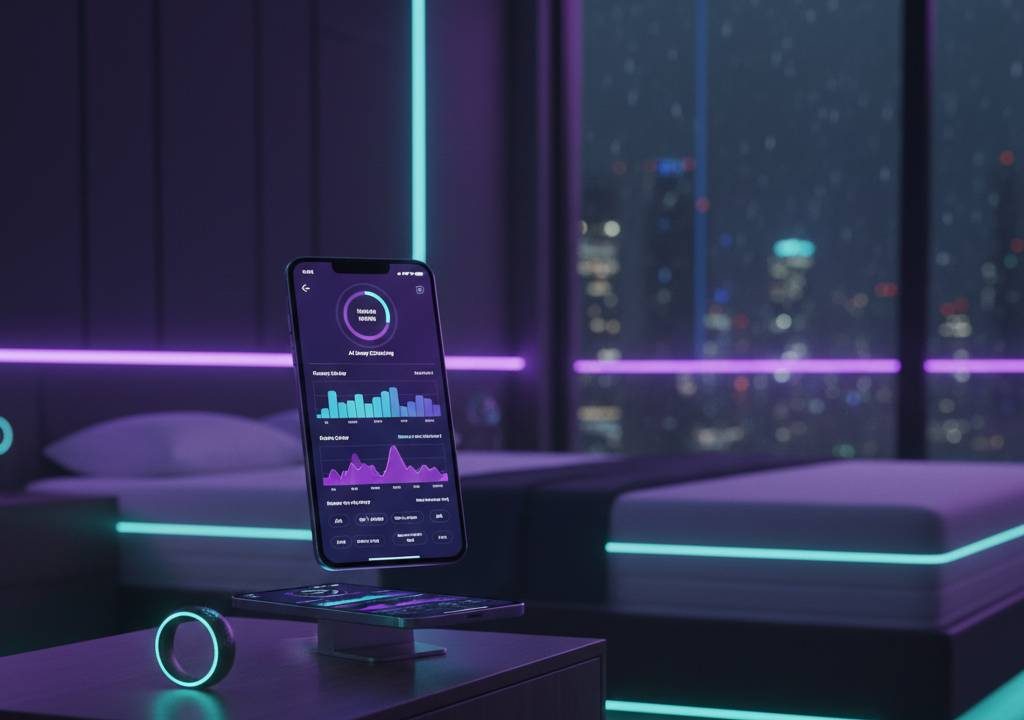
AI sleep trackers are devices or apps that monitor physiological signals during sleep. Wearables like rings or straps use sensors for PPG (photoplethysmography), accelerometers, and temperature. Non-wearables (under-mattress mats) employ piezoelectric sensors for heart/respiration detection. AI algorithms process this data to classify stages (light, deep, REM, awake), calculate scores (e.g., readiness/recovery), and generate insights. Advanced models like SleepFM (Stanford research) predict health risks from one night’s data. In 2026, generative AI personalizes coaching—suggesting earlier bedtime if recovery is low.
Benefits of AI Sleep Trackers for Better Rest
These trackers raise awareness, motivating changes. Benefits include identifying disruptions (e.g., late caffeine), optimizing routines, and improving hygiene. Studies show personalized feedback boosts duration/quality, reduces stress, and enhances recovery. Users often report better energy, mood, and performance from data-driven adjustments.
Top AI Sleep Trackers in 2026
Here are leading options with strong AI features.
1. Oura Ring 4 – Best Overall for Detailed Insights
Oura Ring 4 tops lists for accurate sleep staging, HRV, temperature, and AI-driven readiness/recovery scores. It offers long-term trends and tips. Pros: Discreet, 8-day battery; cons: $70/year subscription. Ideal for holistic tracking. Explore Oura Ring.
2. Whoop 5.0 – AI-Powered Recovery Coach
Whoop uses AI for in-depth analysis, personalized coaching (e.g., bedtime suggestions), and strain/recovery balance. Screen-free strap. Pros: Athlete-focused; cons: Subscription required. Great for performance. Check Whoop.
3. Withings Sleep Analyzer – Non-Wearable Mat
Under-mattress mat tracks stages, snoring, breathing disturbances via AI. No wear needed. Pros: Subscription-free, accurate; cons: Less mobile. Visit Withings.
4. Fitbit (Google Pixel Watch/Sense) – Affordable AI Tracking
Fitbit’s AI provides sleep scores, stages, and insights via Google integration. Pros: Budget-friendly, no extra sub for basics; cons: Wrist-based. Try Fitbit.
5. RingConn Gen 2 – Budget Smart Ring with AI
Affordable ring with AI sleep analysis, long battery (12 days). Pros: No subscription; cons: Less refined app. See RingConn.
| Tracker | Key AI Feature | Subscription | Battery | Best For |
|---|---|---|---|---|
| Oura Ring 4 | Readiness/recovery scores | Yes ($70/yr) | 8 days | Comprehensive insights |
| Whoop 5.0 | Personalized coaching | Yes | 5 days | Athletes/recovery |
| Withings Mat | Breathing/snoring detection | No | N/A | Non-wearable |
| Fitbit/Pixel | Sleep scores & tips | No (basic) | Varies | Budget users |
| RingConn Gen 2 | Basic AI staging | No | 12 days | Affordable ring |
How to Use AI Sleep Trackers Effectively
Wear consistently for baseline data. Review trends weekly—adjust caffeine, exercise timing, or environment. Combine with habits like consistent schedules. Use insights for gradual changes.
Limitations and Tips for Accurate Tracking
Trackers estimate stages (not perfect like lab PSG), may miss nuances, and cause anxiety (orthosomnia). Focus on trends, not nightly scores. Consult doctors for disorders.
Enhance Your Sleep with AI Sleep Trackers
AI sleep trackers empower better rest through data-driven personalization in 2026. From Oura’s depth to Whoop’s coaching, they help optimize routines for quality sleep. Start tracking today—small tweaks yield big energy gains. For guidelines, visit Sleep Foundation.