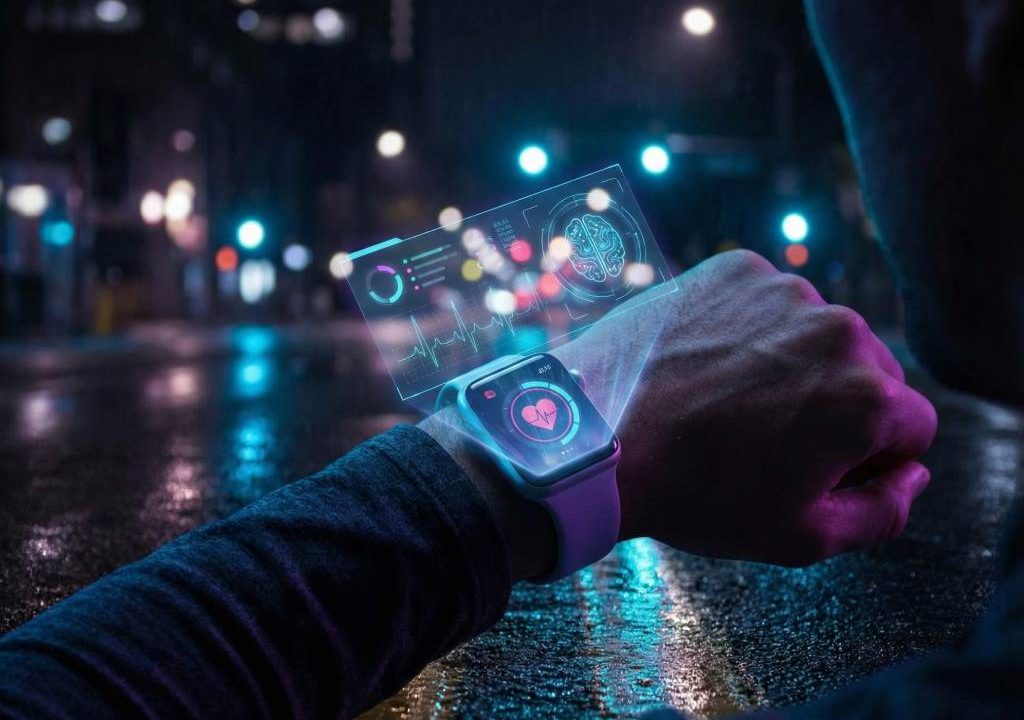
Wearable AI tech is redefining fitness tracking in 2026, moving beyond basic step counts to intelligent, personalized wellness ecosystems. Devices like smart rings, watches, and bands now use advanced AI to analyze heart rate variability (HRV), sleep stages, recovery readiness, stress, and even predict performance or overtraining risks. With sensors tracking blood oxygen, skin temperature, and activity patterns, AI delivers actionable insights—suggesting rest days, optimizing workouts, or coaching in real-time. No longer just data collectors, these wearables act as virtual trainers, making fitness more effective and sustainable for everyone from casual walkers to elite athletes.
What Is Wearable AI Tech in Fitness?
Wearable AI tech integrates machine learning into fitness devices to process biometric data intelligently. Unlike traditional trackers providing raw numbers, AI interprets trends: e.g., low HRV signals poor recovery, prompting adjusted training. Features include adaptive coaching, anomaly detection (e.g., irregular heart rhythms), and holistic views combining sleep, stress, and activity for “readiness scores.”
How Wearable AI Tech Transforms Fitness in 2026
AI enables proactive health: predicting fatigue, personalizing plans based on progress, and integrating with apps for seamless experiences. Trends from CES 2026 highlight AI-driven insights over raw data, longer battery life in compact forms (rings/bands), and focus on recovery/mental wellness alongside physical metrics.
Top Wearable AI Devices for Fitness Tracking 2026
1. Oura Ring 4 – Best AI Ring for Recovery & Sleep
The Oura Ring 4 leads discreet tracking with AI-powered readiness, sleep stages, HRV, and recovery scores. No bulky screen—ideal for 24/7 wear. Pros: Accurate, subscription optional for basics; cons: Premium features paid. Great for holistic wellness. Explore Oura Ring 4.
2. Garmin Fenix 8 / Forerunner Series – AI Coaching for Athletes
Garmin’s AI suggests personalized workouts, predicts race times, and analyzes training load/recovery. Multisport GPS, long battery, rugged design. Pros: Precise for endurance; cons: Pricey. Perfect for serious athletes. Check Garmin Fenix 8.
3. Fitbit Charge 6 – Best Overall AI Band
Google’s Fitbit Charge 6 offers AI-driven insights on activity, sleep, stress, and heart rate with built-in GPS. Affordable, cross-platform. Pros: Long battery, no mandatory sub for core features; cons: Less advanced than premium watches. Ideal everyday use. Visit Fitbit Charge 6.
4. Apple Watch Series 11 – Seamless AI Insights
Apple Watch Series 11 provides AI-enhanced training plans, heart notifications, and integration with Apple Fitness+. Pros: Ecosystem perks, accurate; cons: iOS-only, battery shorter. Suited for Apple users. See Apple Watch Series 11.
5. Samsung Galaxy Watch 8 – Galaxy AI Wellness Coach
Samsung’s Galaxy Watch 8 uses Galaxy AI for sleep coaching, guided runs, and energy scores. Pros: Vibrant display, Android integration; cons: Best with Samsung phones. Great for Android fitness enthusiasts. Try Samsung Galaxy Watch 8.
| Device | Form Factor | Key AI Features | Battery Life | Subscription? | Best For |
|---|---|---|---|---|---|
| Oura Ring 4 | Ring | Readiness, sleep, recovery AI | 7 days | Optional | Discreet 24/7 tracking |
| Garmin Fenix 8 | Watch | Training coach, performance AI | Weeks | No | Athletes/endurance |
| Fitbit Charge 6 | Band | Activity/sleep insights | 7 days | No (core) | Everyday users |
| Apple Watch S11 | Watch | Training plans, health AI | 18-36 hrs | No | Apple ecosystem |
| Galaxy Watch 8 | Watch | Wellness coach, energy score | 2-3 days | No | Android/Samsung users |
Key Trends Shaping Wearable AI Tech Future
2026 trends: AI personalization (adaptive workouts), subscription-free options (RingConn, Ultrahuman), compact forms (rings over bulky watches), holistic monitoring (mental health + recovery), and integration with apps for community/data sharing. CES highlights exoskeletons and ambient AI, but fitness focuses on smarter insights.
Benefits and Considerations for Users
Benefits: Motivation via insights, injury prevention, goal optimization, accessibility (many no-sub). Considerations: Data privacy, accuracy varies, over-reliance risks ignoring body signals. Choose based on ecosystem (iOS/Android), goals (casual vs pro), and budget.
Embrace Wearable AI Tech Today
Wearable AI tech is the future of fitness tracking—turning data into personalized guidance for better health in 2026. From Oura’s discreet recovery focus to Garmin’s coaching prowess, these devices empower smarter training. Start with one matching your needs (e.g., subscription-free like Fitbit or RingConn) and watch progress soar. For more, see Wareable’s 2026 fitness tracker guide.